
CAR-T therapy transformed cancer treatment, but scientific breakthroughs alone don't guarantee commercial success. Discover why manufacturing, supply chains, hospital capacity, and reimbursement became the real bottlenecks behind CAR-T commercialization.


In 2017, CAR-T (Chimeric Antigen Receptor T-cell Therapy) officially entered the market and opened a new chapter in cancer treatment.
At the time, CAR-T was widely regarded as one of the biggest milestones in cancer immunotherapy. By genetically engineering a patient's own T cells to recognize and destroy cancer cells, CAR-T became the first living drug to move from the laboratory into routine clinical practice.
For patients with relapsed or refractory blood cancers who had exhausted conventional treatment options, CAR-T offered something that had rarely existed before: the possibility of long-term relief. Its remarkable clinical results also convinced the global biotechnology industry that the era of cell therapy had truly begun.
However, when the first commercial products reached the market, reality proved far more complicated.
Despite delivering unprecedented clinical outcomes, early CAR-T products failed to achieve the explosive commercial growth many people had anticipated.
The problem wasn't efficacy; the problem was commercialization.
Unlike traditional pharmaceuticals, CAR-T isn't simply manufactured in large batches and shipped worldwide. Every treatment is individually produced using the patient's own immune cells, requiring an complex process that spans cell collection, manufacturing, quality testing, cryogenic logistics, hospital coordination, and reimbursement.
This created one of the most complex healthcare supply chains ever commercialized.
As a result, the greatest challenge facing CAR-T companies wasn't developing a better therapy—it was building a business model capable of delivering that therapy at scale.
 ShaoChi CHENG
When people discuss why CAR-T initially struggled in the market, the conversation often focuses on its price. A single treatment costs hundreds of thousands of dollars, making affordability an obvious concern.
But pricing was only one piece of a much larger puzzle.
Commercializing CAR-T required solving multiple interconnected challenges simultaneously:
Each of these factors became a bottleneck. Together, they determined whether patients could actually receive treatment—even after regulators had approved the therapy.
This is what makes CAR-T fundamentally different from conventional pharmaceuticals.
Success is no longer determined only by scientific innovation.
It depends on whether an entire healthcare and pharmaceutical ecosystem can reliably deliver a highly personalized therapy to every patient.
 ShaoChi CHENG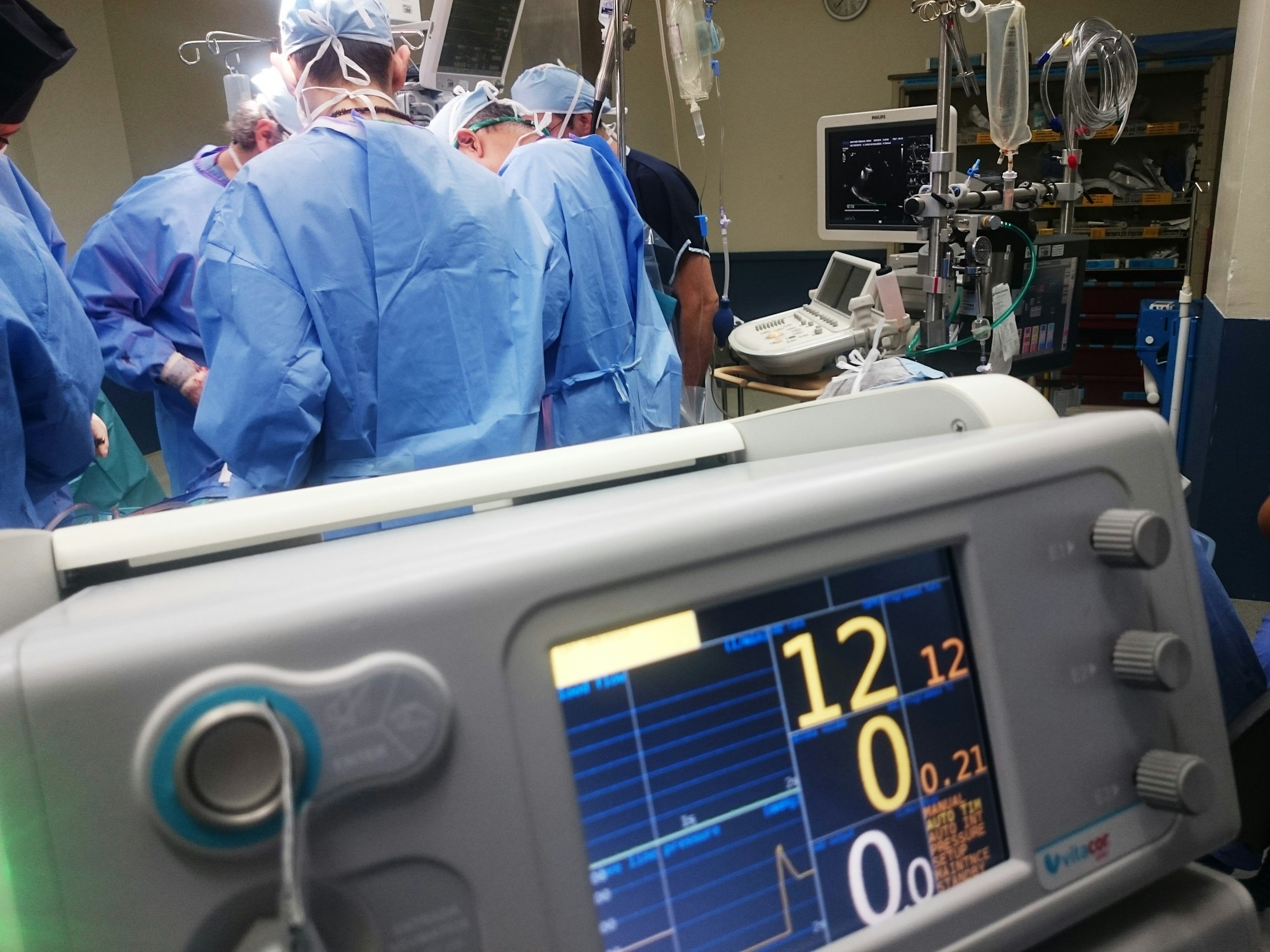
CAR-T remains one of the greatest scientific breakthroughs in modern medicine.
 ShaoChi CHENG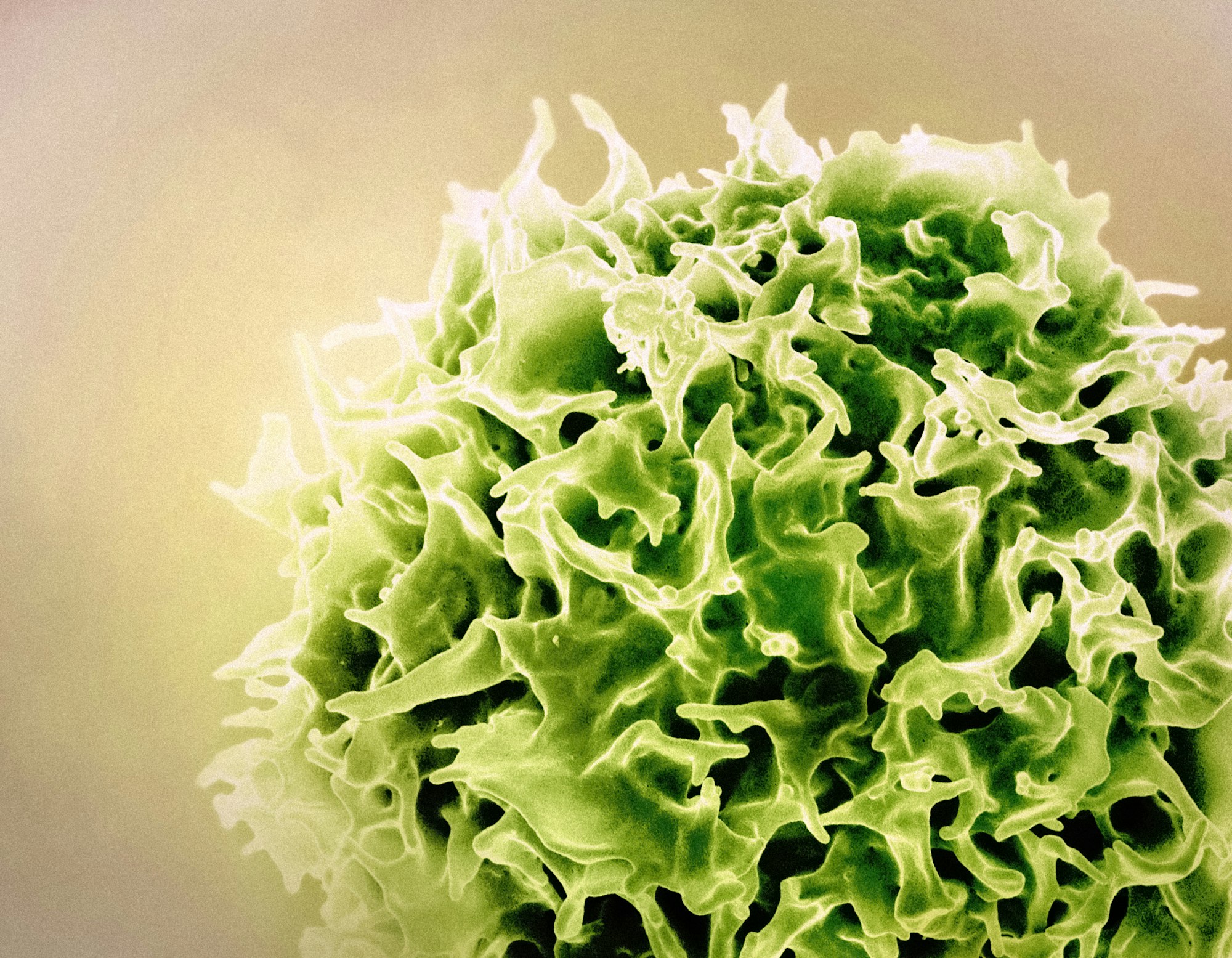
But it also revealed an equally important lesson for the biotechnology industry:
Scientific innovation creates medical value; commercial execution determines whether that value can reach patients.
The companies that succeeded weren't necessarily those with the most innovative science.
They were the ones that learned how to manufacture consistently, coordinate complex supply chains, expand treatment capacity, and build a scalable commercial infrastructure.
In the end, the competition wasn't only about designing better CAR constructs; it was about designing a better business system.
In the following sections, we'll explore why manufacturing became the first major bottleneck for CAR-T commercialization, how early products like Kymriah struggled with production challenges, and why solving manufacturing—not improving efficacy—became the industry's most urgent priority.


