
Scientist-turned-strategist in biopharma — from cancer researcher, pandemic vaccine PM, to strategic planning & global licensing BD. I share biotech, business, strategy and what I've gotten wrong and learned. Welcome to contact: [email protected]
A large patient population does not automatically mean a large commercial opportunity. Two stories illustrate why drug developers should prioritize competitive advantage and unmet medical needs, not simply the biggest market.
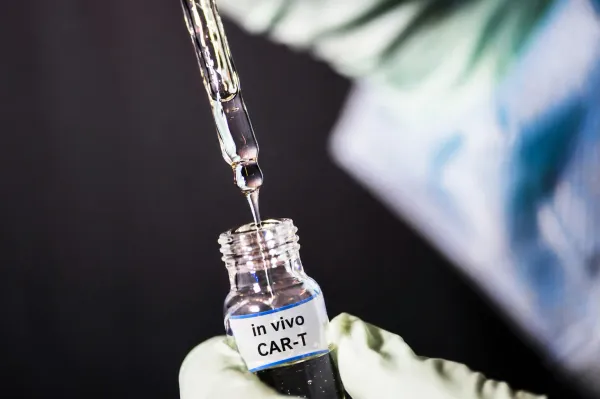
$2.1B for a drug with zero efficacy data. $7B for another. In vivo CAR-T isn't a science story — it's a business model story.
CAR-T proved that engineered immune cells can transform cancer treatment. But most cancer targets remain hidden inside the cell—beyond CAR-T’s reach. Could TCR-T unlock these targets and become the next major platform for treating solid tumors?
CAR-T has changed cancer treatment—but it is also exposing the limits of today's healthcare payment systems. Why can a therapy be cost-effective yet still threaten insurance budgets? Explore how CAR-T is reshaping reimbursement, health economics, and the future of Cell & Gene Therapy.
CAR-T has transformed cancer treatment, but its One Patient, One Batch model limits scalability. Can allogeneic CAR-T overcome manufacturing scalability bottlenecks and redefine the future of cell therapy?
Manufacturing makes CAR-T possible. Hospitals make CAR-T scalable. CAR-T's biggest commercialization challenge isn't manufacturing alone. Hospital capacity—from patient selection and leukapheresis to CRS management and reimbursement—may be the real bottleneck limiting market expansion.
CAR-T therapy redefined what a drug could be. By engineering immune cells into living medicines, CAR-T opened a new era of cell therapy. Here explains how CAR-T works, designs and drives innovation, understanding the science and its greatest challenges.
CAR-T therapy has delivered remarkable clinical outcomes, yet scaling manufacturing remains one of the industry's greatest challenges. Learn why CAR-T isn't simply selling engineered cells—it's selling an entire vein-to-vein supply chain
CAR-T therapy transformed cancer treatment, but scientific breakthroughs alone don't guarantee commercial success. Discover why manufacturing, supply chains, hospital capacity, and reimbursement became the real bottlenecks behind CAR-T commercialization.