
$2.1B for a drug with zero efficacy data. $7B for another. In vivo CAR-T isn't a science story — it's a business model story.

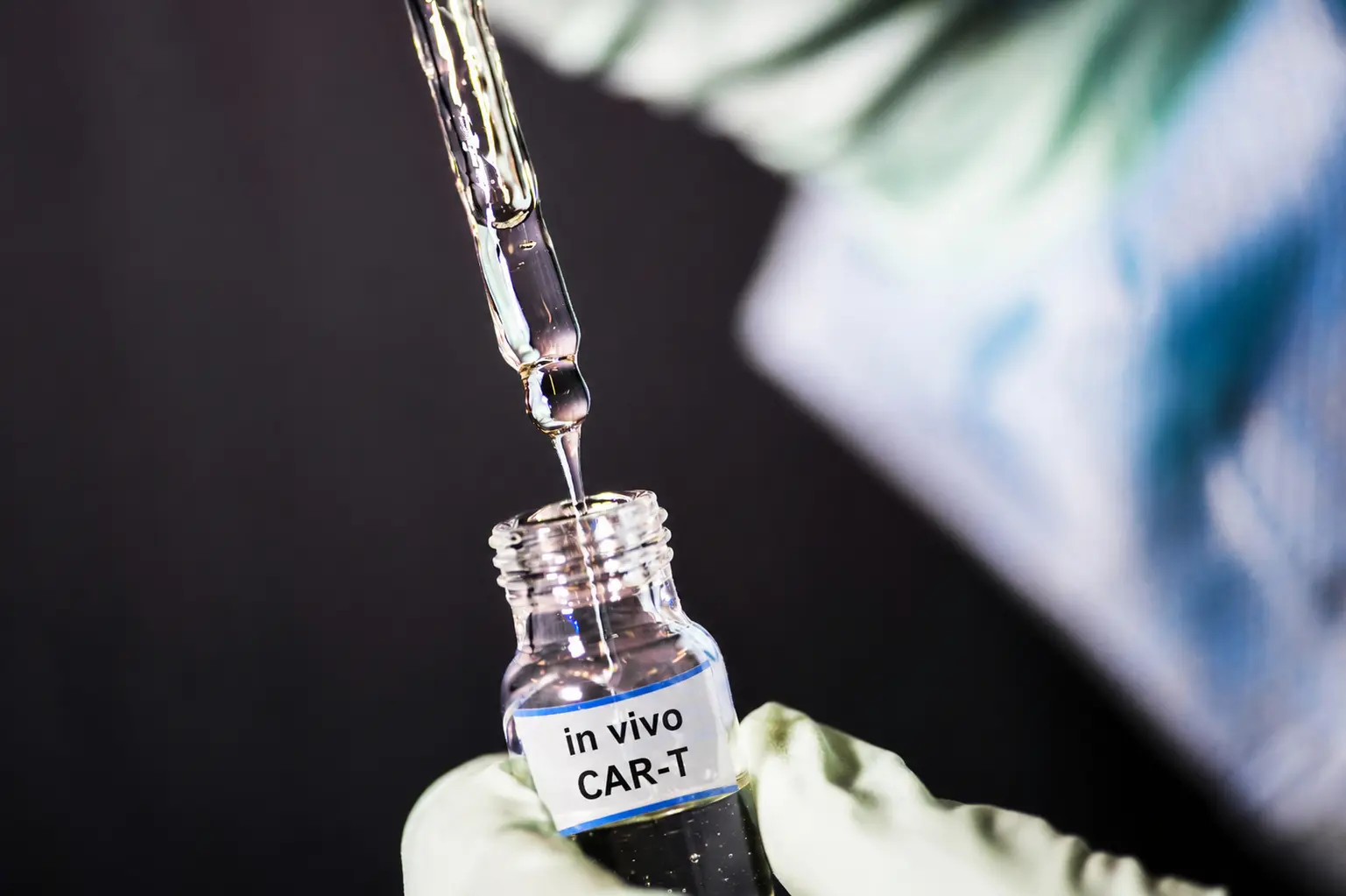
In mid-2025, AbbVie paid up to $2.1 billion to acquire a company called Capstan Therapeutics. At first glance, this looks like just another routine biotech acquisition; however, Capstan's lead asset, CPTX2309, had only just entered a Phase 1 trial in healthy volunteers at the time of the deal. There was no efficacy data to speak of.
A company with essentially no clinical data commanded a $2.1 billion valuation, after having already raised over $300 million from top-tier pharma investors in its private rounds. The real story behind in vivo CAR-T isn't efficacy; it's the business model.
Autologous CAR-T, from Kymriah and Yescarta to today's approved products, has already proven it can change the course of disease and even cure some hematologic cancer patients. So the real bottleneck holding this field back from broader use isn't "does the drug work." It's "can the drug be manufactured at scale, and can more patients actually access it."
The commercial bottlenecks of the autologous model come down to:
If you want to dig deeper into the manufacturing challenges of CAR-T, you can read my earlier piece on that topic.
 ShaoChi CHENG
What in vivo CAR-T is trying to solve is a redefinition: turning CAR-T from a "one-batch-per-patient model" into an "standardized drug product." If T-cell genetic reprogramming can be done directly inside the patient's body, the entire workflow could simplify into a single pre-filled injection. Treatment is as simple as a vaccine shot, with a cost structure that looks like a traditional biologics rather than a cell therapy. That's precisely why AbbVie was willing to pay $2.1 billion for a Phase 1 asset: it wasn't pricing the molecule, it was pricing the platform and the addressable indications this business model could unlock once proven out.
The technology race currently playing out is fundamentally a race in delivery vectors.
LNP-mRNA route (represented by Capstan): lipid nanoparticles encapsulate mRNA to drive transient CAR expression in T cells. Expression is temporary, and CAR disappears after a few rounds of cell division. The upside of LNP-mRNA vectors is a strong safety profile; the downside is limited durability in body, which may not be sufficient for solid tumors or high-relapse-risk cancers that require sustained immune surveillance. This is also why Capstan chose to enter through autoimmune disease rather than challenging cancer treatment. Autoimmune indications want a one-time effect to "reset the immune system", which fits well with transient expression.
Lentiviral route (represented by Umoja Biopharma and Interius BioTherapeutics): this path uses genomic integration, so CAR expression persists long-term in the T-cell genome, with durability closer to traditional autologous CAR-T. Interius's INT2104 uses an engineered third-generation lentiviral vector. Its VSV-G fusion protein is modified to remove its native receptor affinity and re-targeted using a specific binder molecule, homing in on CD7+ T/NK cells, which then produce a CD20-targeted CAR. This route is currently the leading approach for hematologic malignancy indications; Umoja and Interius are the two with candidates already in Phase 1 clinical trials.
AAV route: currently more marginal, mainly constrained by payload capacity (CAR constructs are large, and AAV packaging is less flexible than LNP or lentivirus), though some companies are still experimenting with different configurations.
In vivo CAR-T faces these challenges in disease treatment.
AbbVie's acquisition of Capstan shows that large pharma is now willing to pay near-blockbuster-level prices for an early-stage asset with no efficacy data yet. It is a betting on the idea that once the "delivery + editing platform" matures, it can be extended across different CAR constructs and indications.
Beyond that, if in vivo CAR-T truly makes "customized cell therapy" into a "single pre-filled injection," the CDMOs and dedicated cell-therapy manufacturing facilities that currently depend on autologous CAR-T production certification will take a hit. These companies have invested significant capital in building facility over the past five years. That means, if in vivo CAR-T becomes viable, demand for that capacity could be cut off abruptly.
I still hope for more effective, more accessible therapies to become reality for the patients who need it.


