I told a scientist research should start with market needs. He strongly disagreed. Years later, I understood the gap between science and business

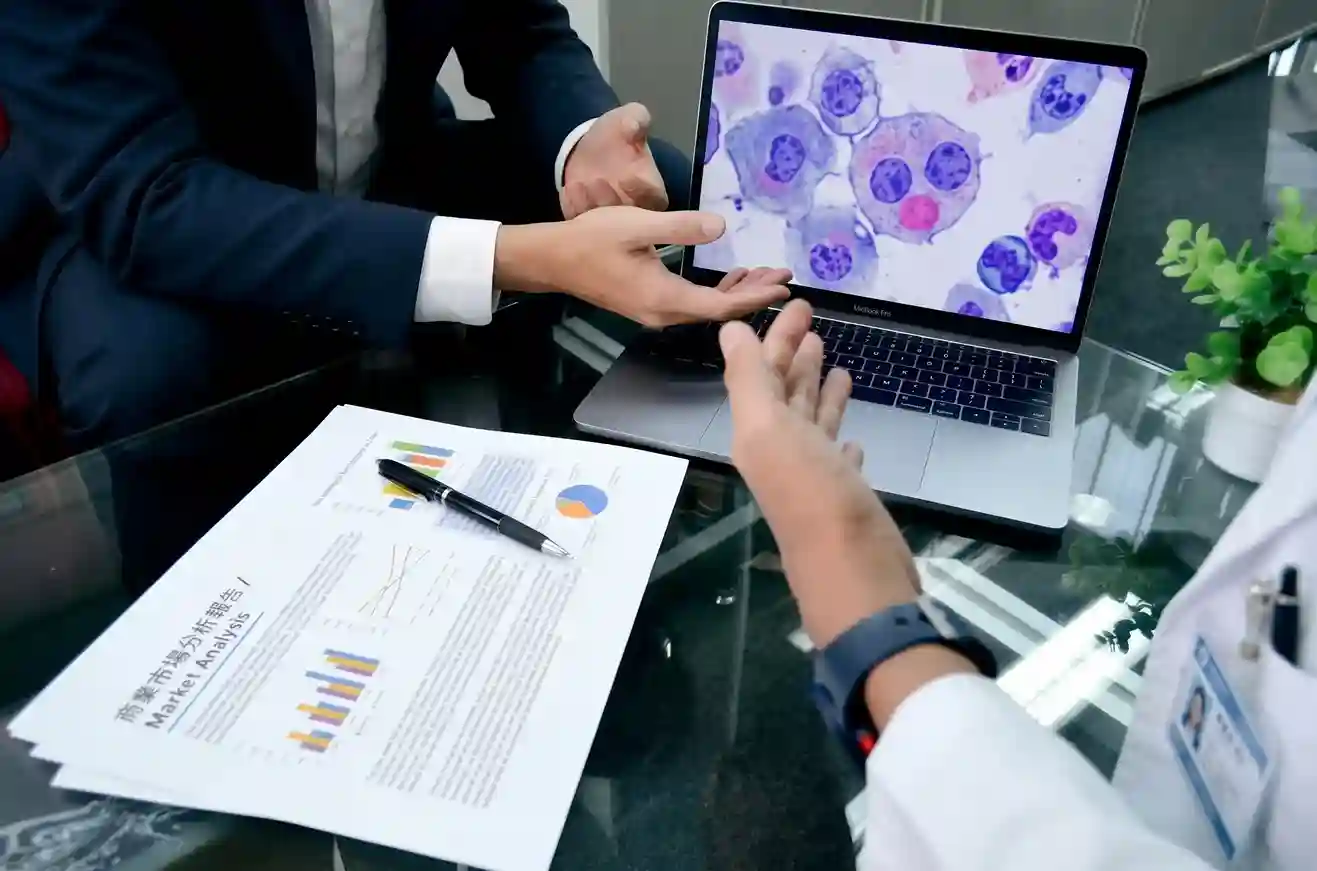
Years ago, I worked at a national research institute. One day, I was talking with a researcher and excitedly shared an idea that I thought was pretty reasonable:
“If we want research results to become products or services, help more people, and even create business value, shouldn’t we first look at what the market needs and then work backward to decide what to research?”
I thought we were about to have a great brainstorming session. Instead, his face changed.
He told me that the core of academic research is freedom. Research should not be tied down by the market. There was a clear sense of displeasure in his voice. (Yeah... things got a little awkward.)
I was young at the time. With an MBA and a biomedical background, I was thinking mostly about one thing: Resources are limited. Of course, we should put them where they can create the most value. The idea made so much sense to me. I did not understand why it triggered such a strong reaction.
Years later, after working in industry and helping several companies take science from the lab to the market, I finally started to understand.
From a business perspective, everything starts with a need. How big is the market? Who is going to pay? Who are the competitors? You first understand whether there is a real demand, and then decide what to develop.
This usually reduces development risk and makes it easier to put limited resources into areas that are worth pursuing. This logic is extremely important during the product development and commercialization stages.
Market need → Research → Technology → Commercialization → Product
Pretty logical, right? Well... yes. But only up to a point.
After years of experience, I think what I said probably sounded very different to a scientist. He may have heard something closer to: “Your curiosity is not valuable enough. It has to pass a market test first.”
For him, this wasn't just about how to work. It was about who he is as a scientist. Many discoveries that changed the world had no obvious market when they were first made.
You simply cannot calculate the commercial value of every scientific question before you start researching it. Some of the most important breakthroughs come from questions that nobody thought were worth asking in the first place.
If every research direction had to prove its market value first, the "looks useless right now" projects would be the first to get cut. And some of them might become the foundation of an entire industry ten or twenty years later.
Looking back, I think our gap came from mixing up two different stages of research:
My mistake back then was applying translation-stage logic to the exploration stage. That said, if one of the goals of research is to become a product that helps people, then at the right stage, market needs deserve a seat at the table too.
Also, "valuable to knowledge" and "valuable to the market" have never been the same thing. A study can be interesting, important, even able to change how we understand science, and still never become a product. On the other side, a product the market really wants may be just one of many cutting-edge discoveries. Meanwhile, other major discoveries have no commercial value at all, yet they light the way for an entire field.
If I could go back to that conversation, I probably wouldn’t say: “We should work backward from the market to decide what to research.”
I might ask a different question: “Your research is really interesting. If it succeeds, who do you think it could help the most?”
Then, based on the science and the researcher’s own thinking, I could slowly explore possible applications, products, and markets.
Maybe we would find a market. Maybe we wouldn’t find anything at all. But at least this time, I wouldn’t be using a business ruler to measure science. I would be trying to find where the two ways of thinking could meet.
Research and business are two different thinking systems. Research needs freedom to explore. But if commercialization is the goal, the earlier you understand the market, the better your chance of avoiding a long road that ultimately nobody paying for.
Want to know more about biopharma and business commercialization? Feel free to read series articles below, or reach out to me via Email or LinkedIn! Also welcome to share your thoughts or questions in the comments.
Feel free to sign up for free newsletter!
Subscribe for practical perspectives on biopharma BD, product market assessment, CDMO operations and cost, and commercializing new technologies.
Free · Unsubscribe anytime
About the author
Scientist-turned-strategist — work from researcher, pandemic vaccine PM, to strategic planning & global licensing BD. I share business, strategy and what I've gotten wrong and learned. Welcome to contact: harry@chivanta.com, and connect my LinkedIn.